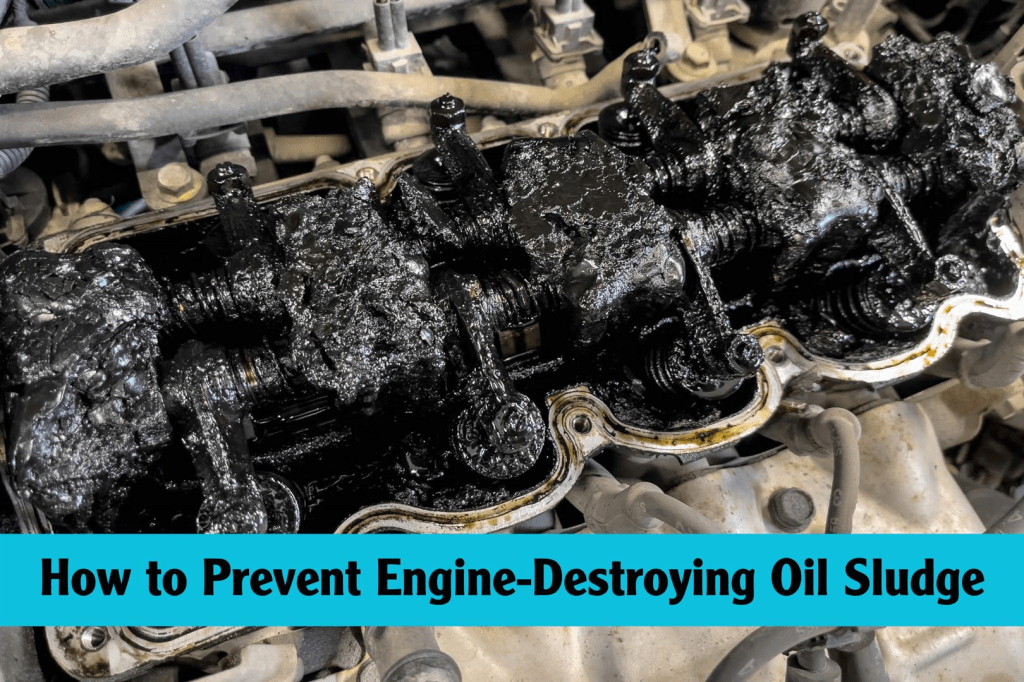
In 2026, engine repairs are more expensive than ever. Parts shortages, higher labor rates, and complex modern engines mean one mistake can cost thousands. Yet many drivers are still pouring the cheapest oil they can find into engines that cost $8,000–$15,000 to replace.
That disconnect is destroying engines quietly — and oil analysis data proves it.
Let’s break down why cheap engine oil is failing modern engines, and what smart owners are using instead.
Modern Engines Punish Cheap Oil
Engines today are nothing like the engines of the past.
They run:
- Hotter
- Higher compression
- Tighter tolerances
- Turbochargers
- Direct injection
- Start-stop systems
Cheap oils were never designed for this environment.
What happens when low-quality oil is used:
- Oil shears down and loses viscosity
- Additives burn off early
- Sludge forms faster
- Metal-to-metal contact increases
- Turbo bearings overheat
- Timing chains stretch
- Fuel dilution destroys lubrication
That damage doesn’t happen overnight — it happens slowly and silently, until the engine fails early.
Cheap Oil = Short Additive Life
Most bargain oils rely on minimum-spec additive packages just to meet API requirements. Once those additives are used up, protection drops fast.
That’s why cheap oil:
- Looks dark early
- Smells burnt
- Thins out long before the oil change interval
- Leaves varnish and sludge behind
Oil analysis repeatedly shows higher levels of:
- Iron
- Copper
- Aluminum
- Silicon
Those metals come from your engine, not the oil.
The Turbocharger Problem (And Why It’s Getting Worse)
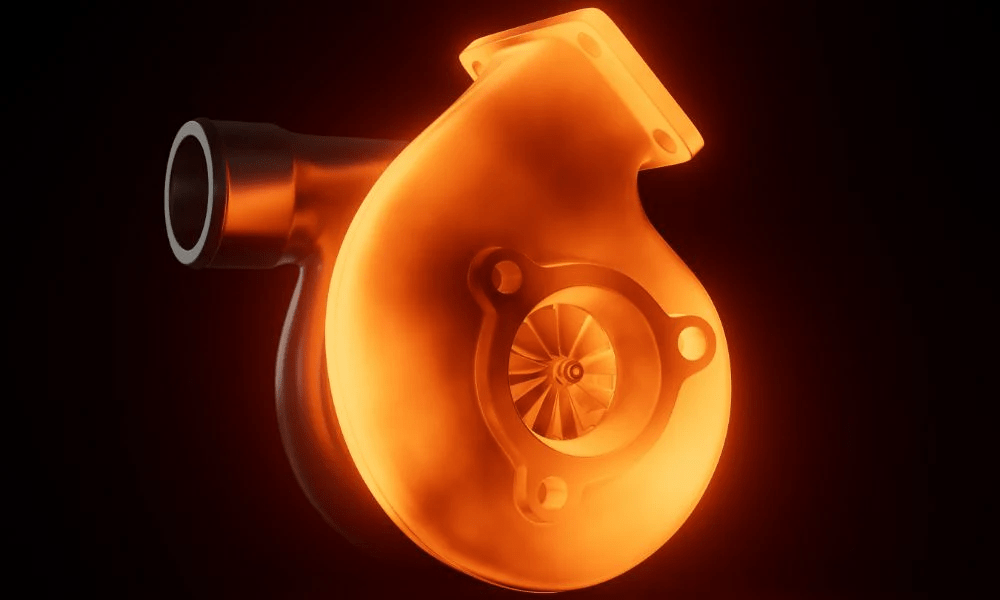
Turbochargers can spin over 200,000 RPM and glow red-hot. Cheap oil cokes, burns, and leaves carbon deposits in turbo oil lines and bearings.
Once oil flow is restricted:
- Turbo failure follows
- Metal debris spreads through the engine
- Repairs snowball fast
This is one of the most common modern oil-related failures — and it’s 100% preventable.
“I Change It Often” Is Not a Safety Net
Many people think frequent oil changes cancel out cheap oil. They don’t.
Here’s why:
- Damage happens between oil changes
- Heat cycles break oil down fast
- Fuel dilution occurs every drive
- Cold starts cause wear before oil circulates
If oil fails at 3,000 miles, changing it at 5,000 doesn’t undo the damage.
What Smart Owners Use Instead
Smart owners don’t buy oil by price — they buy it by protection per mile.
They use true synthetic oils with:
- High-quality base stocks
- Robust additive chemistry
- Proven shear stability
- Extended drain capability
- Strong detergent systems
That’s why enthusiasts, contractors, fleets, and long-term owners choose AMSOIL.
Why AMSOIL stands out:
- Designed for extended drain intervals
- Maintains viscosity under extreme heat
- Superior wear protection in oil analysis
- Excellent resistance to fuel dilution
- Protects turbos, timing chains, and bearings
When paired with a high-efficiency oil filter, it reduces wear even in severe service.
Oil Is the Cheapest Insurance You Can Buy
Saving $20 on oil can cost:
- $1,500 turbo replacement
- $3,000 timing chain repair
- $8,000–$15,000 engine replacement
Smart owners understand this truth:
Oil doesn’t just lubricate — it preserves the engine.
The goal isn’t the cheapest oil change.
The goal is the longest engine life at the lowest total cost.
Final Takeaway
In 2026, cheap engine oil is one of the fastest ways to shorten engine life.
If you want:
- Fewer repairs
- Longer service intervals
- Better fuel efficiency
- Cleaner engines
- Peace of mind
Then upgrading your oil choice is one of the highest-ROI decisions you can make.
 Top Quality Synthetics • Independent AMSOIL Dealer
Leave a comment